
Last Updated: November 24, 2026
Quick Summary
The most sustainable packaging for handmade soap is a plastic-free format that protects the bar, suits how it will be stored, and can be composted or recycled at home. For most small makers, that means a kraft paper wrap or paper band over a cured bar, paired with a protective outer box only when the soap ships.
- Kraft paper is unbleached, widely recycled and cheap enough for small-batch makers to wrap by hand.
- A paperboard box with a plastic window is not plastic-free and usually cannot be recycled at kerbside.
- Compostable means the material breaks down within a defined timeframe to a specified standard; biodegradable does not.
- Loose paper formats like wraps and sleeves have no minimum order and the lowest cost.
- Sealing a slightly damp bar in a closed box invites sweating, so cure bars fully before packing.
Table of Contents
- What is the most sustainable packaging for handmade soap?
- Eco-friendly soap packaging: the formats that actually work
- Plastic-free soap packaging: moulded pulp, fabric and reusable options
- Biodegradable soap boxes and compostable film: what breaks down, and where
- Soap packaging sleeves: the low-cost, retail-ready choice
- Cost, minimum orders and protection compared
- Labels, fragrance retention and shipping protection
- Choosing packaging for your next batch of Ewe Lather Me soap
- Frequently Asked Questions
What is the most sustainable packaging for handmade soap?
The most sustainable packaging for handmade soap is a plastic-free format that protects the bar, suits how it will be stored, and can be composted or recycled at home. For most small makers, that means a kraft paper wrap or paper band over a cured bar, paired with a protective outer box only when the soap ships.
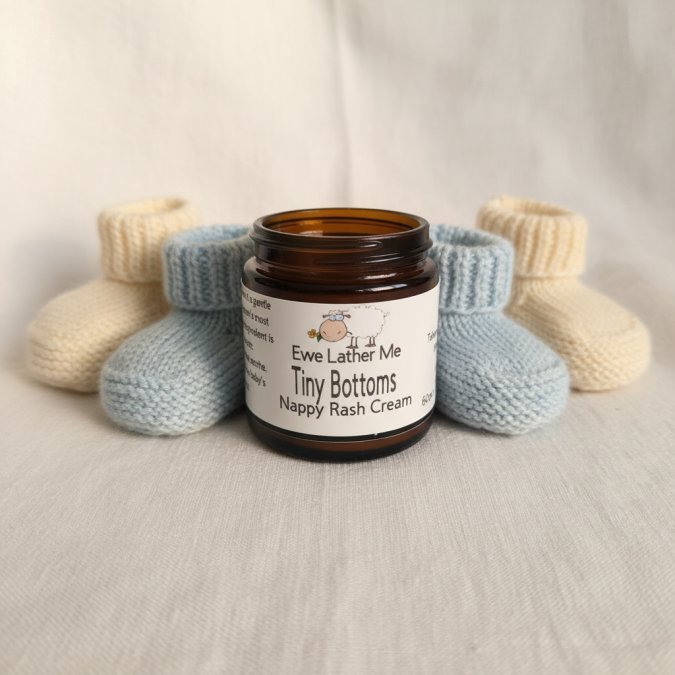
That answer sounds simple. The hard part is that "sustainable" gets used loosely in this category, and a box that looks earthy can still hide a plastic window or a laminated coating that no kerbside bin will take.
Below, we break down seven formats that genuinely work, what each costs in effort and money, and where each one falls down. The comparison table further down gives you the short version if you are deciding today.
Eco-friendly soap packaging: the formats that actually work
Eco-friendly soap packaging works when the material matches the job. Handmade bars are heavy, porous and prone to sweating, so the wrap has to let moisture escape while keeping dirt and handling marks off the bar.
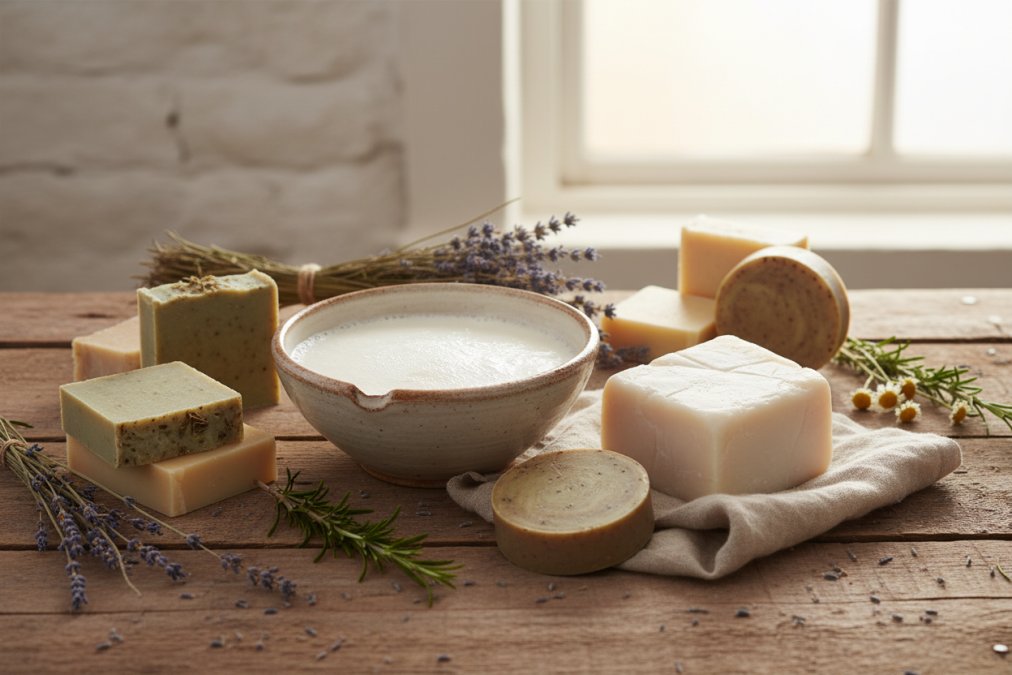
We group the practical options into three families: paper wraps and bands, paperboard boxes, and bags or sleeves. Each one behaves differently in storage and in the post.
Kraft paper wraps and paper bands
Kraft paper is a common choice for eco-friendly soap packaging. It is unbleached, widely recycled, and cheap enough that small-batch makers can wrap by hand without a machine.
A wrap covers the whole bar; a band circles the middle and leaves the ends exposed. Bands use less material and let the bar breathe, which matters for soaps that are still finishing their cure. The catch is that a bare kraft wrap offers little crush protection, so it suits local sales and market stalls better than long-distance shipping.
Recycled paperboard and clamshell boxes
Recycled paperboard boxes give you structure, print space and a retail-ready look. A clamshell folds from a single piece of board, so there is no glue and no separate lid to lose.
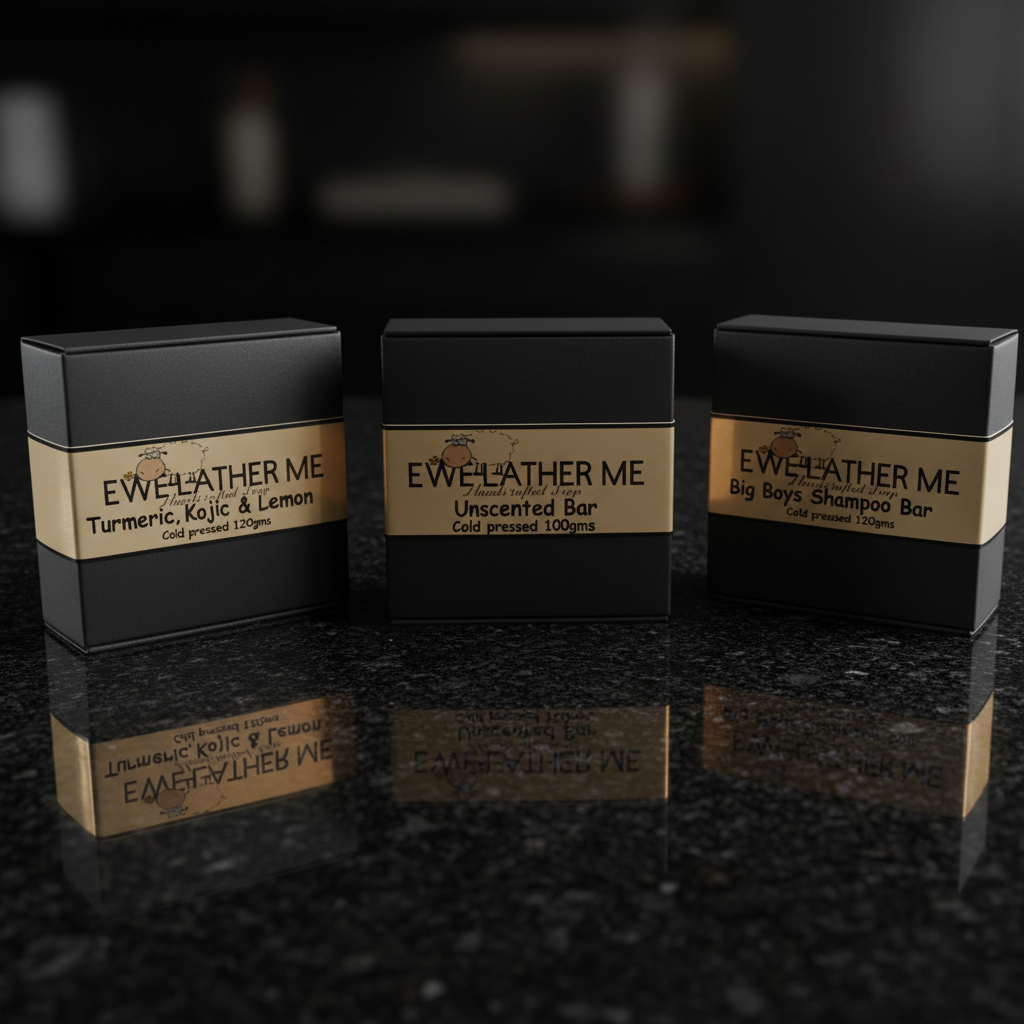
Watch out: a paperboard box with a plastic window is not plastic-free, and the mixed material usually cannot be recycled in a kerbside bin. If you want the window look, choose a box with an open cut-out instead. For a retail-ready paperboard option, our black gift box with gold band shows how a simple board box lifts presentation without adding plastic.
Glassine bags and paper sleeves
Glassine is a smooth, translucent paper that resists grease and moisture better than plain kraft. It is a strong choice for soap packaging sleeves because customers can still see the bar while the paper keeps it clean.
Paper sleeves are the minimal version: a printed band of paper that slides over the bar. They use very little material, cost less than a full box, and give you a clean surface for your label.
Plastic-free soap packaging: moulded pulp, fabric and reusable options
Plastic-free soap packaging is any format with no plastic film, laminate or synthetic tie, and the reusable options often beat single-use paper on total impact. A wrap that gets used a hundred times outperforms a box that gets recycled once.
Moulded pulp trays are the same material as an egg carton. They cradle the bar, cushion it in transit, and compost at home. They are bulkier than paper, so they suit gift sets and shipping rather than shelf display.
Fabric is where reusable packaging earns its place. A cotton drawstring bag can hold soap, then live on as a travel pouch or laundry bag. Our soap samples in a cotton bag packs four assorted soap ends in a reusable cotton drawstring bag, making use of offcuts.
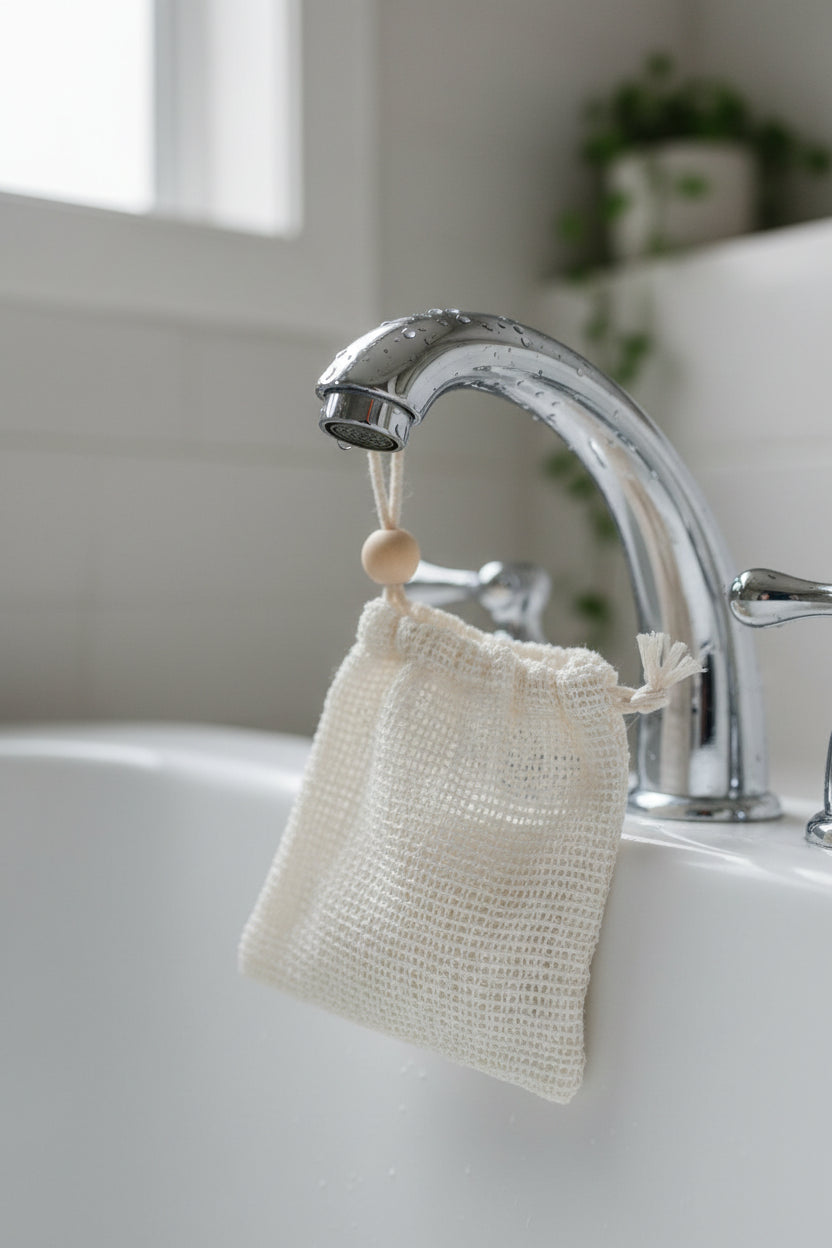
A reusable soap sock is the other half of the equation. Our soap soaks help the bar dry faster between uses, which can extend its life and cut waste at the consumer end.
Biodegradable soap boxes and compostable film: what breaks down, and where
Biodegradable soap boxes and compostable films break down only under the right conditions, and "biodegradable" on a label does not mean it belongs in your home compost.
The first thing to understand is that "biodegradable" and "compostable" are not interchangeable.
So how do you tell which is which? Look for the certification mark and read what it actually covers.
Disposal guidance also depends on where your customer lives, and this is the part most packaging guides skip. Kerbside recycling acceptance varies by council, and soft plastics are not collected in most kerbside bins.
A material-by-material summary helps. Plain paperboard, kraft paper, glassine and moulded pulp are generally home-compostable and also widely accepted in kerbside recycling where clean.
Watch out: a box described as compostable may still have a laminated coating, a plastic window or a synthetic adhesive that will not break down, so check the whole pack rather than the headline material.
Soap packaging sleeves: the low-cost, retail-ready choice
Soap packaging sleeves are the cheapest route to a professional-looking bar. A printed paper band or sleeve costs a fraction of a box, stores flat, and gives you a full panel for your brand, ingredients and batch details.
Sleeves suit makers who sell at markets, in cafés or online where the bar ships inside a larger parcel with other protection. They are light, which keeps postage down, and they let the soap itself do the selling.
The limitation is protection. A sleeve will not stop a corner from chipping, and it offers no barrier against handling. If your bars travel far or sit on a shop shelf for months, pair the sleeve with a box or a padded mailer.
Cost, minimum orders and protection compared
Cost and minimum order quantities decide which format a small maker can actually use, and protection decides whether the bar arrives intact. The table below compares the seven formats on the factors that matter most, with the practical buying pattern behind each one.
| Format | Relative cost | Typical minimum order | Protection | Home compostable |
|---|---|---|---|---|
| Kraft paper wrap | Low | None, buy by the roll | Low | Yes |
| Paper band | Very low | None | Very low | Yes |
| Recycled paperboard box | Medium | Often several hundred units | High | Yes, if uncoated |
| Clamshell box | Medium | Often several hundred units | Medium | Yes, if uncoated |
| Glassine bag | Low | None, buy in packs | Low | Yes |
| Moulded pulp tray | Medium | Usually bulk | High | Yes |
| Cotton bag | Higher per unit | None | Low | No, but reusable |
The pattern is clear. Loose paper formats have no minimum order and the lowest cost, while boxes and trays need volume to make sense. Start with wraps or sleeves, then move to boxes when your order volume justifies it.
What the table cannot show is how the numbers behave at small scale.
The budget trade-off is not just unit price. A cheap wrap that lets a bar chip in transit costs you a replacement and a review, which is more expensive than the box would have been.
Watch out: minimum order quantities are often quoted per size and per print colour, so a mixed-size or multi-colour order can multiply the minimum before you have committed to a single unit.
Labels, fragrance retention and shipping protection
Labels, fragrance retention and shipping protection are the three jobs packaging has to do after the sale, and they can pull against each other.
Fragrance fades fastest when a bar is exposed to air and light. Glassine and paperboard slow that loss better than an open band. If your bars carry a strong scent you want to keep, choose a box or glassine bag and store stock away from sunlight. Our guide to making handmade soap last longer in storage covers the storage side in more detail.
For shipping, the outer parcel does the protecting. Use a rigid mailer or a box with paper filler, and keep the decorative wrap inside it. Never rely on a paper band alone for a parcel that crosses the country.
Watch out: sealing a slightly damp bar in a closed box invites sweating and a mushy surface. Make sure bars are fully cured before they go into any sealed format.
Choosing packaging for your next batch of Ewe Lather Me soap
Choosing packaging for your next batch comes down to three questions: how far the bar travels, how long it sits before sale, and whether the customer will reuse the wrap. Answer those and the format picks itself.
If you sell locally and want the lowest cost, start with a kraft wrap or a printed sleeve. If you ship, add a paperboard box or a moulded pulp tray for protection. If you want the wrap to live on, choose cotton or a reusable soap sock.
When you are ready to send your bars out, our walkthrough on getting handcrafted soap shipped to Melbourne covers the practical steps. And if you want to understand why a well-made bar deserves packaging that matches it, read what makes handmade soap worth it.
Packaging a batch is a series of small decisions, and the wrong wrap can undo months of curing.
Frequently Asked Questions
What is the most sustainable packaging for handmade soap?
There is no single winner. Uncoated kraft paper and recycled paperboard score well because they are widely recyclable and low-impact to produce, while moulded pulp offers better drop protection with the same recycling path. Compostable film and biodegradable soap boxes only pay off if the customer can actually compost them at home. For most small makers, a kraft paper wrap or paper band plus a recyclable outer box covers protection, presentation and end-of-life handling without plastic.
How do you package handmade soap without plastic?
Use a paper band or kraft wrap around the bar, then a recycled paperboard box or glassine bag for retail. For shipping, swap bubble wrap for paper fillers or moulded pulp inserts, and seal with paper tape. Fabric wraps and cotton bags work as reusable plastic-free soap packaging for gift sets. Avoid coated or laminated papers, since the plastic lining stops them being recycled in kerbside bins.
Is paper packaging suitable for handmade soap?
Yes, with one condition: the soap must be fully cured first. Freshly made bars release moisture for weeks, and paper wrapped around a damp bar will wrinkle, spot or grow mould. Once cured, uncoated kraft paper and paperboard let the bar breathe while keeping dust and handling marks off. For humid bathrooms or long storage, add a glassine layer or a moulded pulp tray rather than sealing the bar in plastic.
Are biodegradable soap boxes actually compostable?
Only if the material is certified and the customer has the right conditions. Uncoated paperboard and moulded pulp break down in a home compost bin. Many compostable films need commercial composting at higher temperatures, which most households cannot access. Check for Australian certification such as AS 5810 for home compostable claims, and print disposal instructions on the box so buyers know which bin it goes in.
How should handmade soap be packaged to protect it from moisture?
Cure the bar for four to six weeks, then wrap it in breathable paper rather than a sealed barrier. Glassine bags resist light moisture while still letting the bar breathe, and moulded pulp trays absorb condensation in transit. If you ship to humid regions, add a paper desiccant sachet inside the carton. Pair the packaging with a soap sock so the bar dries between uses and lasts longer in the shower.
